

The Dance of the Soul: Rumi, Whirling Dervishes, and the Sacred Alchemy of the 'Waw'
In the heart of the thirteenth century, a profound spiritual awakening ignited in Konya, Türkiye, that would forever alter the landscape of global mysticism, poetry, and art. This was the world of Jalaluddin Rumi—often affectionately called Mevlana ("Our Master").
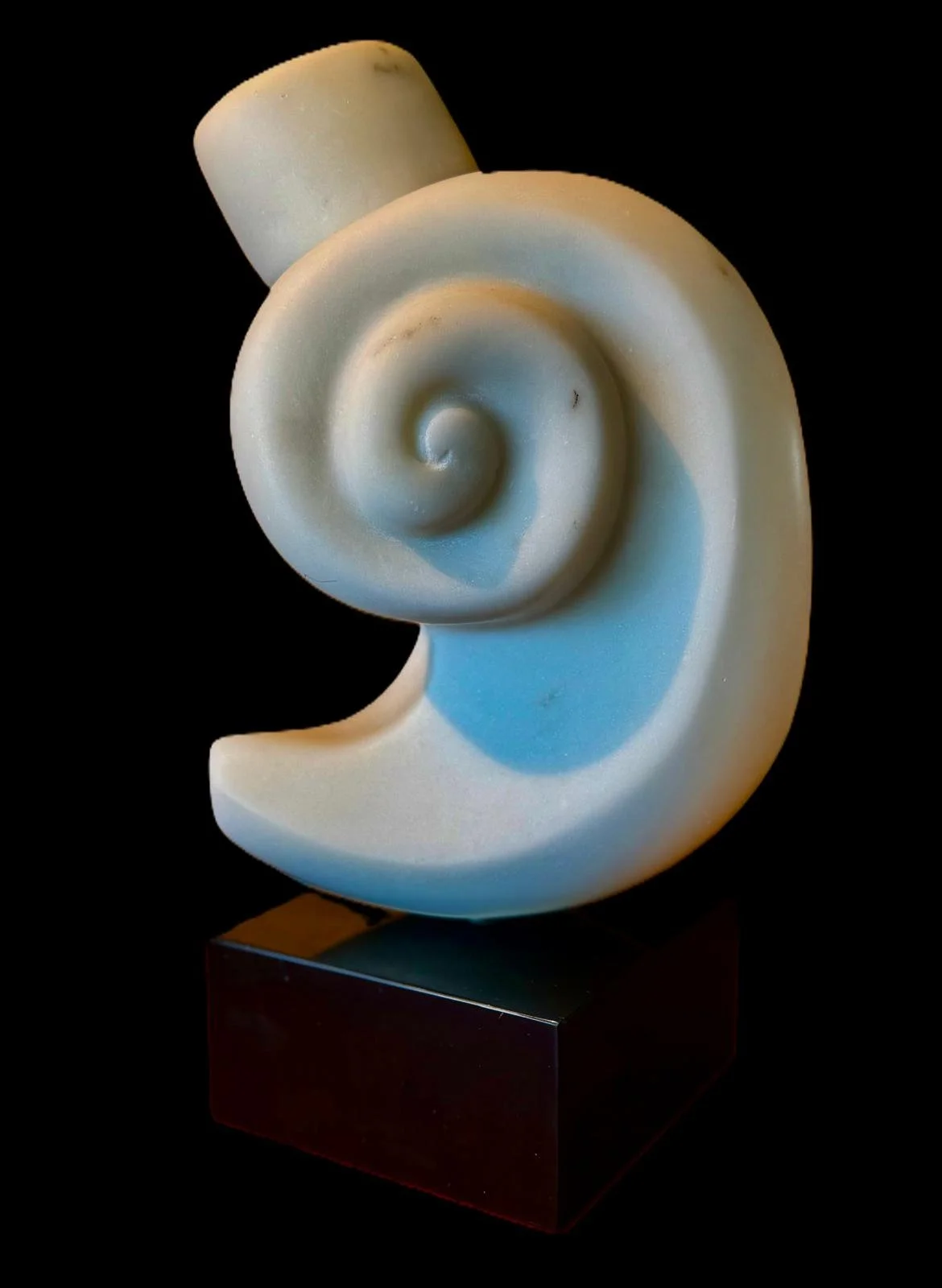
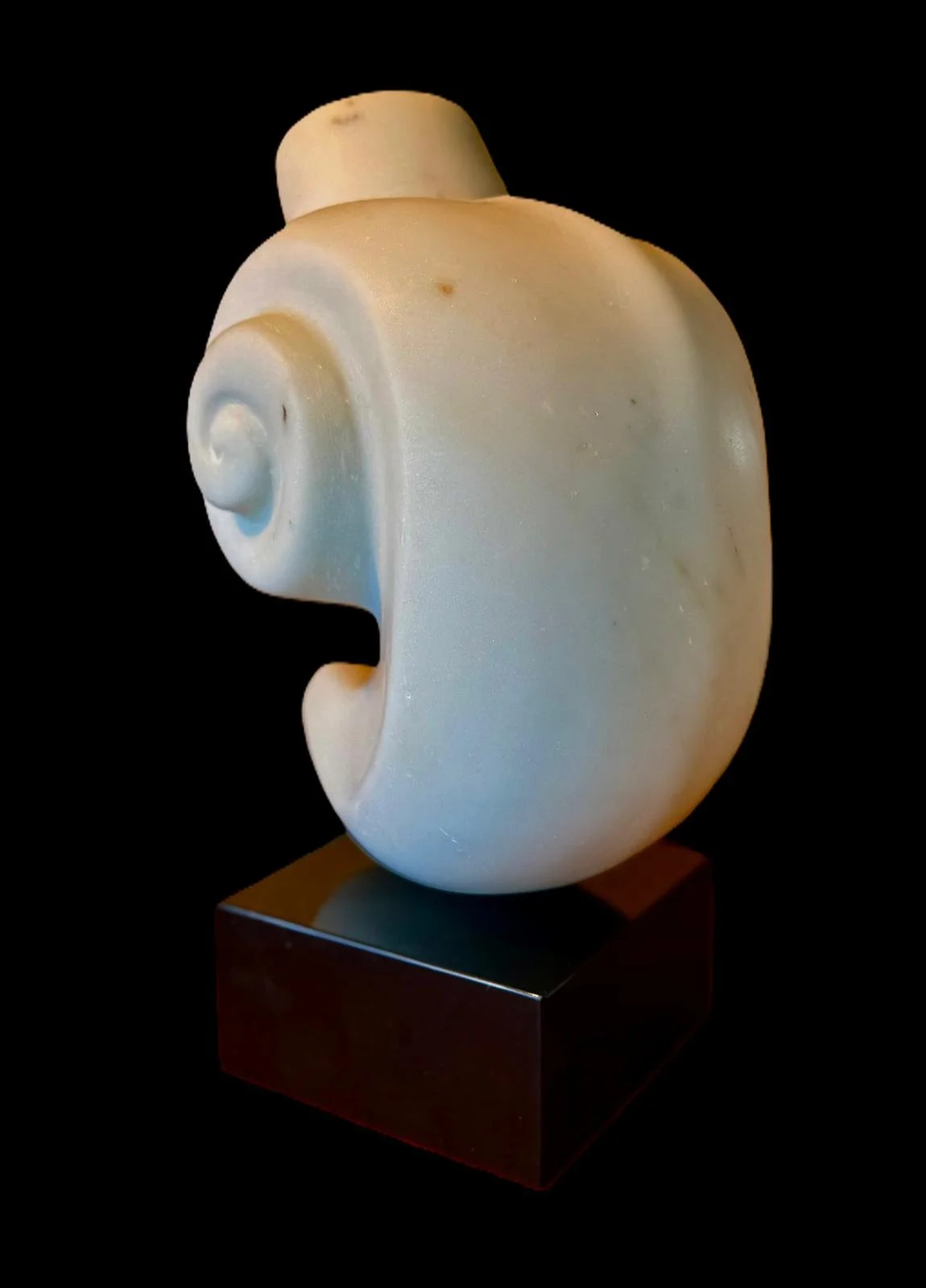
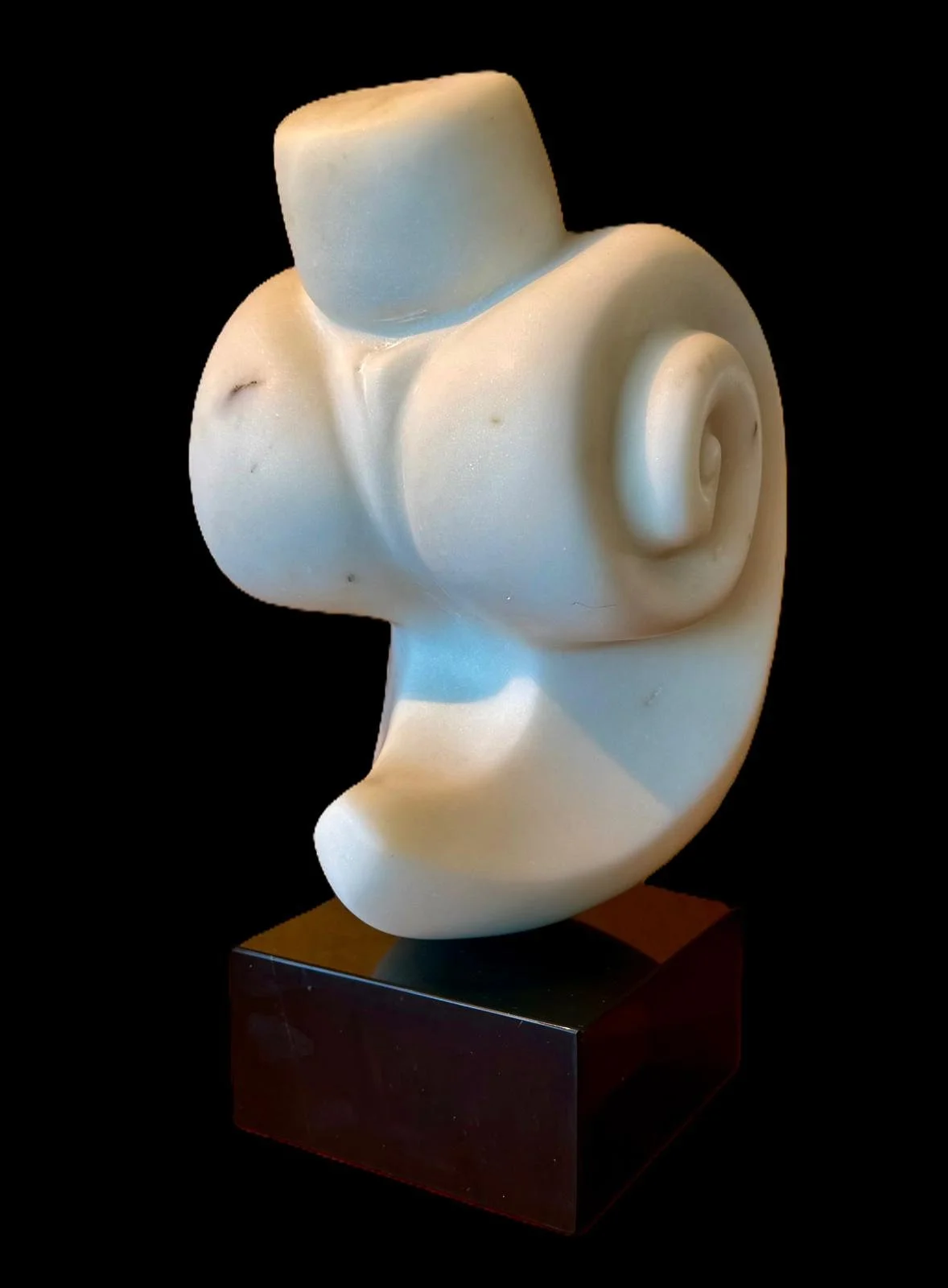
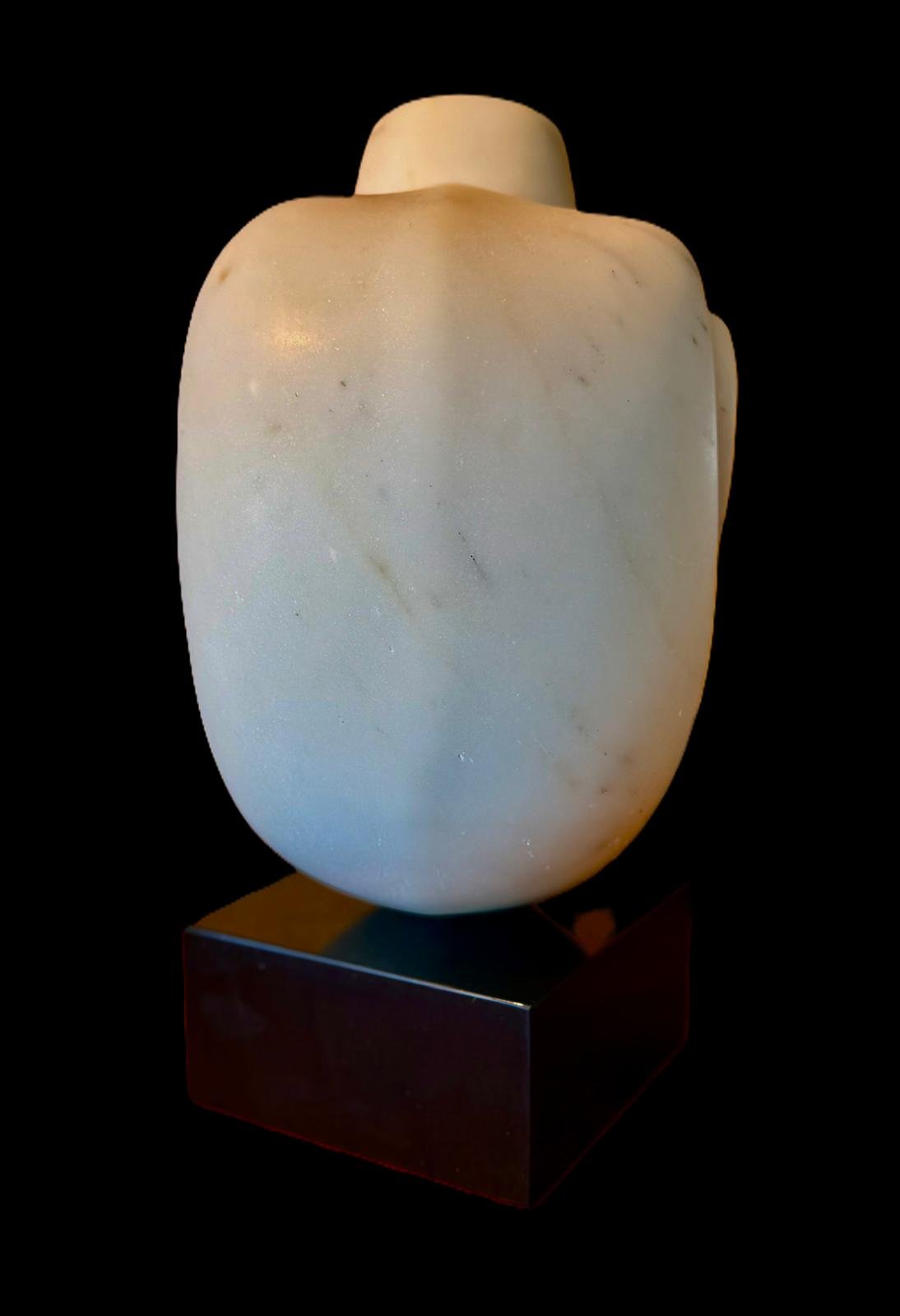
Rumi’s teachings did not just live in pages of manuscript; they breathed life into a vibrant cultural and artistic lineage - including my own. At the center of this intersection between Rumi’s Sufi mysticism and Islamic art lies a profound visual anchor: the Arabic letter Waw (و).
To understand Rumi’s influence on art is to understand a world where poetry, movement, and calligraphy merge into a single, breathless prayer.
1. Mevlana’s Canvas: Poetry as the Ultimate Art Form
Rumi’s primary artistic vehicle was the written and spoken word. His magnum opus, the Masnavi, alongside his passionate divans, transformed the Persian language into an instrument of divine intoxication.
Artistic Impact: Rumi pioneered a style where the mundane became a mirror for the divine. A simple reed flute (Ney), a chickpea cooking in a pot, or a drop of water were elevated to cosmic metaphors.
Cultural Legacy: His poetry dismantled rigid dogmas, replacing them with a universal theology of love. Today, his verses continue to inspire contemporary painters, musicians, and sculptors worldwide, proving that true art knows no borders.
2. The Living Sculpture: The Sama (Whirling)
Perhaps Rumi’s most visible contribution to the performing arts is the Sama, the spiritual concert of the Whirling Dervishes (the Mevlevi Order).
The Sama is not merely a dance; it is a highly stylized, living sculpture and a profound cosmic metaphor:
The Movement: Dervishes revolve from right to left, encompassing all of humanity with love.
The Symbolism: The camel’s hair hat (sikke) represents the tombstone of the ego; the white skirt (tennure) represents the ego’s shroud. As they whirl, their right hand points toward heaven (to receive divine grace) and their left hand turns toward the earth (to channel that grace to humanity).
It is a visual masterpiece of balance, surrender, and geometry that has fascinated artists, photographers, and sculptors for centuries.
3. The Mystic Connection: The Symbol of the 'Waw' (و)
In Islamic calligraphy, few letters hold as much esoteric weight and artistic fascination as the letter Waw. Within the Mevlevi tradition and broader Sufi art, the Waw is a recurring motif that serves as a bridge between the human and the divine.
The Geometry of Humility
Visually, the letter Waw resembles a human being in the fetal position or a dervish bowed in deep prayer (sajdah). It is the ultimate symbol of Huwa (He, the Divine) and Vahdet (Unity). When a human being enters the world, they are curled like a Waw; as they grow, they mistakenly stand tall like the letter Alif (|), thinking they are independent. The Sufi path is a journey to return to the humility of the Waw.
The Connective Tissue of Art
Grammatically, Waw means "and." It is the conjunction that binds things together. In the context of Rumi's philosophy, Waw represents:
The connection between the Creator and the creation.
The harmony between the inner spirit (batin) and outer expression (zahir).
The bridge between poetry and silence.
In traditional calligraphy and modern paintings inspired by Rumi, you will often see the Waw mirrored, elongated, or nested within the silhouette of a whirling dervish. It serves as a visual mantra—a reminder that in our absolute brokenness and humility, we find our greatest divine connection.
The Endless Resonance
Rumi’s Mevlana legacy reminds us that art is not merely for aesthetic pleasure; it is a spiritual necessity. Whether it is through the haunting strain of the Ney, the dizzying geometry of the Sama, or the elegant, humble curve of the Waw in a sculpture, this tradition invites us to look past the surface of the world.
As Rumi beautifully echoed:
"Let the beauty of what you love be what you do. There are a thousand ways to kneel and kiss the ground." Through art, the Waw, and the dance, the soul finds its way back home.